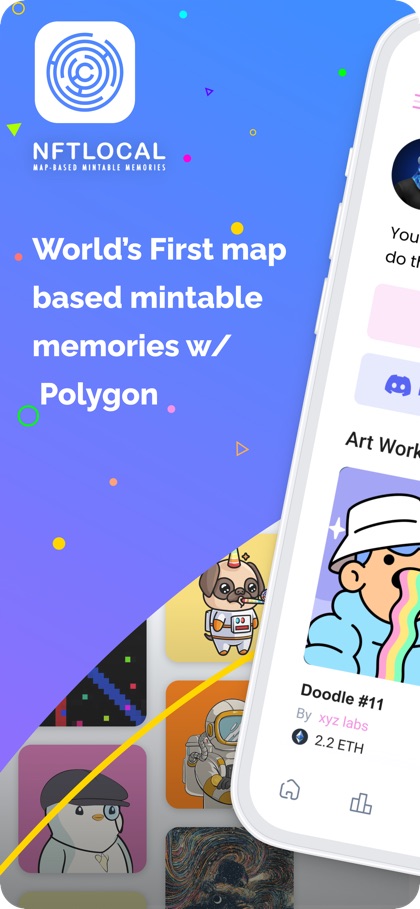
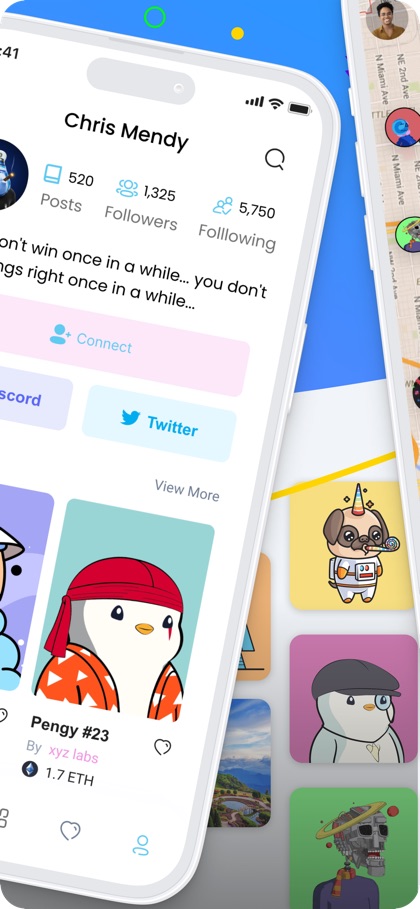
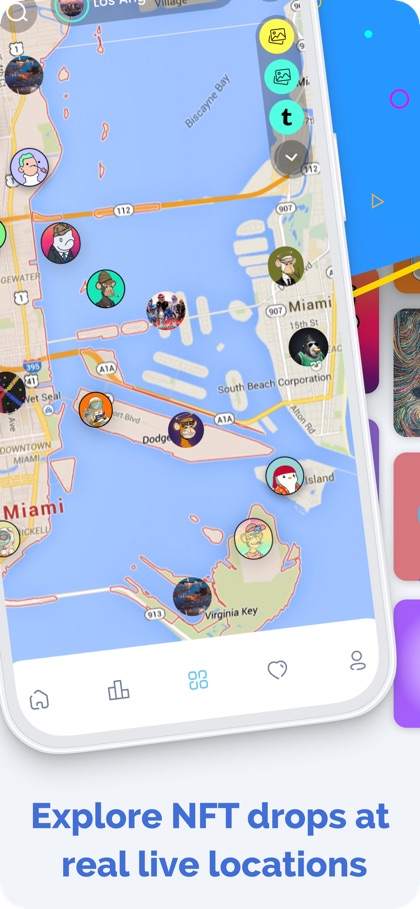
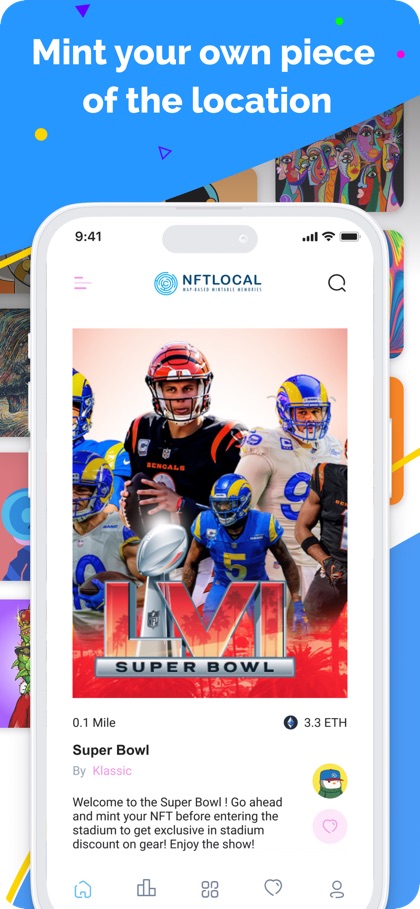
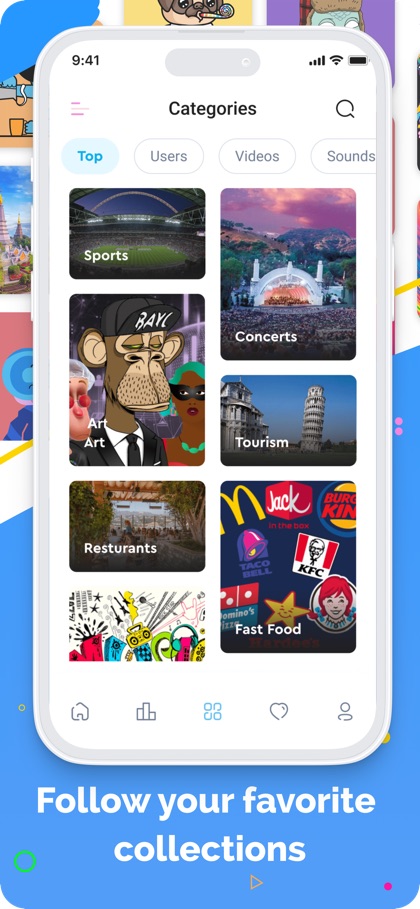
From Figma mockups to App Store — a complete technical breakdown of building Nftlocal, a geo-based NFT platform for minting memories and unlocking local deals.
The Problem: NFTs Had No Local Context
When the Nftlocal team came to Disrupt Labs, the NFT market was flooded with PFP projects that had no real-world utility. Their idea was different: what if an NFT could be tied to a GPS coordinate? Scan a QR at a local coffee shop, mint a memory, unlock a discount — all on-chain. The product needed to work on both iOS and Android, integrate with Polygon for low-gas minting, and feel consumer-grade to a non-crypto audience. We had 12 weeks.
The Stack: React Native + Polygon + Pinata IPFS
We chose React Native for the single-codebase cross-platform advantage — one team shipping iOS and Android simultaneously. Polygon was the obvious L2 choice: near-zero gas fees meant users could mint without worrying about cost. Pinata handled IPFS storage for NFT metadata and images. On the smart contract side we wrote ERC-1155 contracts in Solidity using OpenZeppelin, which gave us both fungible (deal tokens) and non-fungible (memory NFTs) in a single contract. MetaMask Mobile SDK handled wallet connection. The entire Web3 layer was abstracted behind clean hooks so the React Native team could build UI without touching contract code.
The Hardest Part: Making Web3 Feel Like Web2
Most crypto apps feel like you're filling out tax forms. We spent two full sprints on the onboarding flow alone. The key insight: users should be able to browse deals and mint locations without touching a wallet at first. We implemented a custodial wallet created silently on signup, then offered a non-custodial migration path when users were ready. Gas fees on Polygon are fractions of a cent, so we actually covered them server-side for the first 10 mints per user — a growth hack that dramatically improved activation rate. Push notifications via Expo for proximity-triggered alerts completed the consumer experience.
App Store Approval with Crypto Apps: What We Learned
Apple has strict rules about cryptocurrency transactions in apps. NFT apps cannot use in-app purchase to buy NFTs — you must direct users to an external browser for any transaction that involves a crypto wallet. We built a WebView-based transaction flow that passes Apple review while still giving a seamless experience. The review process took 11 days on the first submission. We shipped to the App Store in week 11, leaving a full week for bug fixes before the client's NFT LA booth demo. Total timeline: 90 days from first call to App Store approval.
“We abstracted the entire Web3 layer behind clean React hooks — so the UI team could build without ever touching smart contract code.”
Leave a Comment